
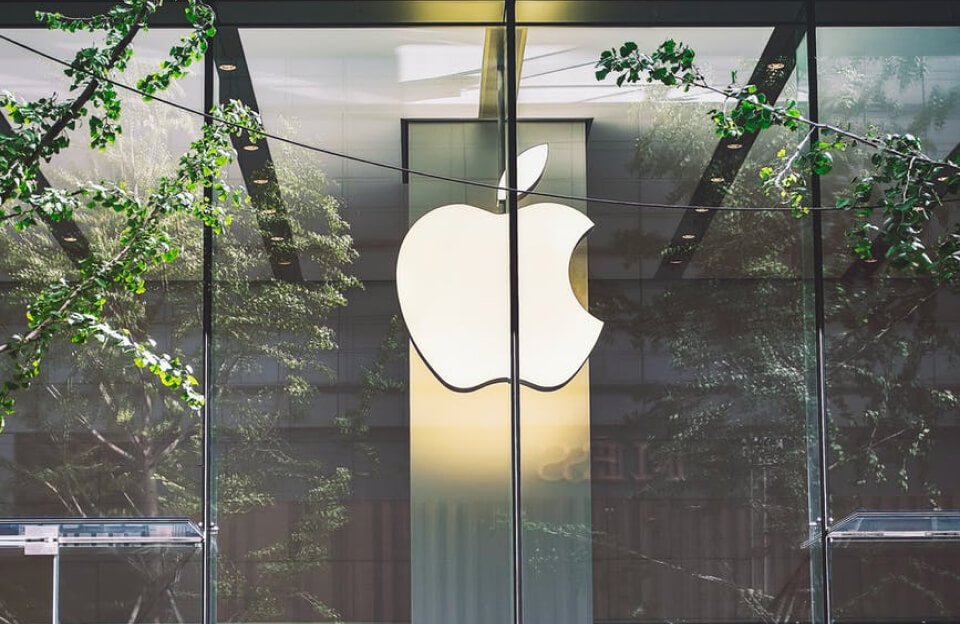
Introduction to Apple’s New Megastore in China
Apple has recently expanded its retail footprint by opening a new megastore in China, underscoring its commitment to this vital market. Located in the bustling financial district of Shanghai, this store exemplifies the company’s strategy to enhance customer experience while accommodating the increasing demand for Apple products. Spanning over 30,000 square feet, the megastore is designed to not only showcase Apple’s flagship products but also to serve as a community hub where customers can explore, learn, and engage with the brand.
The architectural design of the new megastore aligns with Apple’s aesthetic principles, highlighted by sleek glass exteriors and open floor plans that invite customers in. The store features a variety of spaces, including a dedicated area for workshops and events, reinforcing Apple’s emphasis on customer education and community engagement. Customers will have the opportunity to participate in hands-on sessions with the latest technology and receive personalized support and advice from the knowledgeable staff.
This megastore is significant within Apple’s broader retail strategy, as it is strategically located to attract not only local consumers but also tourists who flock to the city. Given that China represents one of Apple’s largest markets, the new store plays a crucial role in generating revenue and solidifying the brand’s presence amid intense competition. The opening of this megastore demonstrates Apple’s foresight in addressing the growing demand for its products in China, thereby creating an avenue for deeper consumer relationships and brand loyalty.
William Barr’s Criticism of Apple
Former U.S. Attorney General William Barr has publicly criticized Apple Inc. for its operations in China, highlighting significant concerns regarding national security, data privacy, and the company’s relationship with the Chinese government. Barr’s remarks come at a time when the geopolitical climate between the United States and China is increasingly strained, raising questions about the responsibilities of American corporations operating within authoritarian regimes.
One of Barr’s primary concerns pertains to the potential for the Chinese government to access sensitive data from U.S. companies, including Apple. He argues that by continuing to do business in China, American firms risk compromising the privacy of their users and subsequently, national security. Barr posits that Apple’s business model in China—where it operates megastores and maintains manufacturing facilities—could be leveraged by the Chinese government to conduct surveillance on both local and American citizens.
Additionally, Barr has suggested that Apple and other American companies should reevaluate their partnerships and supply chains within China. He emphasizes the importance of corporate responsibility, advocating for stricter ethical practices when entering markets characterized by heavy government surveillance and lack of transparency. Barr’s criticisms have ignited a broader debate regarding how companies can maintain ethical standards while navigating complex international legal frameworks.
The discussion surrounding Barr’s comments extends beyond just Apple; it raises fundamental questions about the obligations of multinational corporations to uphold data privacy and security in foreign markets. As American companies seek to capitalize on the lucrative Chinese market, they must consider the implications of aligning their business interests with those of a government known for its strict control over personal freedoms and data.
China’s Impact on Apple’s Growth Strategy
The Chinese market has emerged as a critical component of Apple’s growth strategy, contributing significantly to the company’s global revenue and brand presence. With a population exceeding 1.4 billion, China represents a vast consumer base that is increasingly inclined towards premium products, making it a strategic focus for Apple. Over the years, the company has cultivated a loyal customer base in this region, consistently launching products that appeal to local consumer preferences and standards.
Competition, particularly from local smartphone manufacturers such as Huawei, Xiaomi, and Oppo, has intensified in the Chinese market. These companies often provide high-quality smartphones at competitive prices, which poses a formidable challenge to Apple. In response, Apple has adapted its product offerings to cater to local tastes, which includes the introduction of features that resonate with Chinese consumers. For example, enhanced camera capabilities and localized services have become essential elements in their product strategy aimed at maintaining relevance and appeal.
The recent opening of a megastore in China signifies Apple’s commitment to enhancing its market position amidst these competitive challenges. Such locations are not merely retail outlets; they embody the brand’s ethos, providing customers with immersive experiences that foster loyalty and stimulate sales. Furthermore, these stores serve as a platform for Apple to showcase its innovations directly to consumers, thereby reinforcing its premium brand image.
However, the company must navigate the complexities arising from external criticisms, such as those expressed by William Barr regarding its operational practices and data privacy concerns. The implications of such critiques could impact Apple’s reputation and operational decisions in China. Maintaining a strong market presence while addressing these criticisms will be crucial for Apple as it seeks to solidify its growth trajectory in an ever-evolving landscape.
Conclusion: Navigating Challenges and Opportunities
As Apple continues to expand its footprint in China with the launch of another megastore, the company finds itself at the crossroads of growth and ethical scrutiny. The recent criticism from former Attorney General William Barr has highlighted the complex landscape in which global corporations, particularly in the technology sector, must operate. As Apple navigates these challenges, it must carefully consider the implications of its business strategies, especially in markets that are as dynamic and sensitive as China.
Apple’s strategic moves reflect its ambition to penetrate a market that remains crucial to its revenue growth. However, this expansion is not without risks. The external scrutiny regarding its business practices and alignment with local regulations raises pertinent questions about corporate governance and ethical responsibilities. As a tech giant, Apple’s decisions impact not just its shareholders, but also the broader implications for international relations, digital privacy, and consumer trust.
The balancing act between profitability and ethical considerations is particularly significant given the socio-political landscape of China. The company’s ability to address these issues while maintaining stakeholder confidence will be pivotal in determining its long-term success. Furthermore, Barr’s criticism brings to light broader questions regarding how companies should engage with foreign markets where human rights and individual freedoms may be compromised.
As we reflect on Apple’s future in the global marketplace, it becomes essential to consider not just the opportunities for growth, but also the potential ramifications of its business practices. How will Apple’s response to external criticisms shape its brand reputation and operational strategies? What lessons can be drawn for other technology companies facing similar dilemmas? These questions remain pertinent as businesses continue to grapple with the dual objectives of expansion and ethical responsibility in an increasingly interconnected world.