Understanding the Needs of Teens in the Digital Age
In today’s rapidly evolving digital landscape, teenagers increasingly rely on technology for various aspects of their lives. From education to social interactions, digital devices play a crucial role in shaping their experiences and meeting their needs. Notably, teenagers exhibit a strong focus on education, seeking tools that facilitate effective learning. They value platforms that enable them to complete assignments, collaborate on projects, and conduct research efficiently.
Moreover, creativity is an essential aspect of a teenager’s life. They often engage in activities that require a creative spark, whether it be graphic design, video editing, or music production. Thus, having access to versatile devices that offer powerful software and applications can significantly enhance their ability to express themselves artistically.
In addition to education and creativity, social interaction is ingrained in the lives of modern teenagers. They use technology to connect with peers, share experiences, and maintain friendships. Social media platforms and communication applications provide vital channels for these interactions, making it imperative for devices to support seamless connectivity. In this context, the Microsoft Surface stands out as an exemplary choice, catering to these diverse requirements.
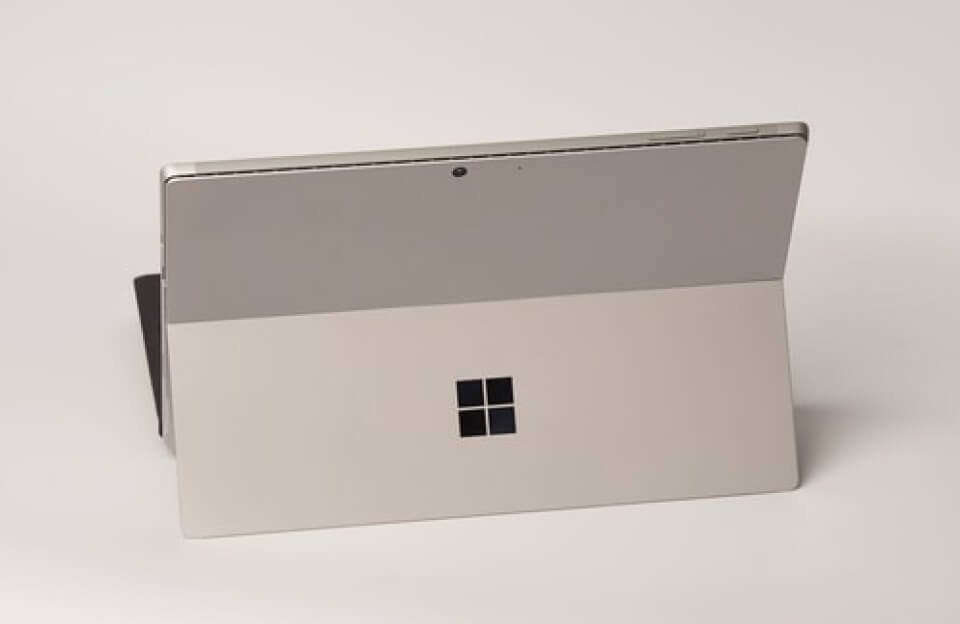
The Microsoft Surface line, with its hybrid design, combines the functionality of a laptop and the portability of a tablet, making it an ideal companion for teens. It offers a robust suite of educational and creative applications while also facilitating easy communication. By seamlessly integrating into their daily routines, the Microsoft Surface empowers teenagers to excel in their academic pursuits, express their creativity, and maintain their social connections. Thus, understanding the unique needs of today’s teens illuminates the importance of choosing compatible technology, and the Microsoft Surface emerges as a strong contender in fulfilling these essential demands.
Features of Microsoft Surface that Benefit Teenagers
The Microsoft Surface lineup is tailored to meet the diverse needs of today’s teenagers, providing an array of features that enhance both academic and recreational experiences. Designed with versatility in mind, these devices are equipped with powerful processors that ensure seamless performance for multitasking, whether for studying, gaming, or engaging in creative projects. The latest Surface models come with Intel Core and AMD Ryzen processors, which not only enhance speed but also deliver remarkable efficiency when running demanding applications.
Another standout feature is the sleek and lightweight design of the Microsoft Surface devices. This portability allows teens to carry their devices with ease, whether they are heading to school, participating in after-school activities, or lounging at home. The high-resolution touch-sensitive screens provide an engaging visual experience, making everything from reading e-books to watching movies more enjoyable. Furthermore, the Surface Pen, available as an optional accessory, caters to those who prefer handwritten notes or drawing, fostering creativity and making note-taking a more dynamic experience.
Compatibility with educational tools and software is another key advantage of the Microsoft Surface. Students can utilize Microsoft Office applications seamlessly, allowing them to create presentations, analyze data, and collaborate easily with peers. Moreover, Surface devices are compatible with various educational platforms and apps, ensuring that students have access to all necessary resources. Importantly, the device’s ability to transition between laptop and tablet modes enables teenagers to adapt their tools for different tasks, enhancing productivity and flexibility.
In essence, the Microsoft Surface stands out as an ideal device for teenagers, combining performance, portability, and versatility to support a range of activities essential for their growth and education. As technology continues to evolve, investing in a device like the Surface can significantly enrich a teen’s daily life.
Balancing Screen Time: How Microsoft Surface Helps Parents Monitor Usage
In the modern digital landscape, managing screen time has become a critical concern for parents of teenagers. With the Microsoft Surface, families can take advantage of robust features designed not only to enhance productivity but also to fortify parental controls and usage monitoring. These built-in functionalities empower parents to ensure their teenagers engage with technology in a manageable and balanced manner.
One of the standout features of the Microsoft Surface is the Windows Family Safety settings. This tool allows parents to set strict boundaries by monitoring app usage and screen time across devices. By utilizing these settings, parents can create specific time limits for various applications or even deny access to certain games and social media platforms, thereby reducing distractions during homework and study sessions. This approach ultimately fosters a healthier relationship between teens and their screens.
Moreover, the integration of Microsoft’s digital wellbeing resources helps families to maintain a balanced lifestyle. For instance, the device can track the total amount of screen time spent on different activities, including educational tasks, entertainment, and social interactions. By providing this data, the Surface enables parents and teens to have informed discussions about technology use and its impact, paving the way for healthier habits.
Furthermore, the Microsoft Surface encourages families to enjoy more offline activities together. By using the Parental Control features, parents can set designated times when screens are put away, promoting family bonding through shared experiences. This allows for a well-rounded lifestyle where teenagers can benefit from technology without compromising their physical and social development.
In conclusion, the Microsoft Surface equips families with essential tools to effectively monitor screen time and implement healthy digital habits for their teenagers. By successfully balancing technology use with offline interactions, parents can guide their children towards a more cohesive and fulfilling lifestyle.
Final Thoughts: Making an Informed Decision for Your Family
As families navigate the myriad of technology options available for their teens, the Microsoft Surface line stands out for its versatility, functionality, and compatibility with educational and personal needs. Throughout this discussion, we have explored various advantages such as its portability, robust performance, and user-friendly interface, which cater to the unique requirements of today’s youth, especially in an academic environment.
When considering the right Surface device, families must assess several factors to make a well-informed decision. Budget remains a primary consideration; with multiple Surface models available, such as the Surface Go, Surface Pro, and Surface Laptop, families can select devices that fit their financial plans while still offering impressive performance and features. Additionally, intended use plays a crucial role. Identifying whether the device will primarily support schoolwork, creative projects, or recreational gaming can significantly influence the choice of specifications.
Another important factor is family preferences, including aesthetics, display size, and operating system preferences. For example, families who value portability might lean towards the lighter Surface Go, while those who require power-intensive applications may prefer the high-end Surface Laptop or Surface Pro. It is advisable for families to visit retail stores and try out the devices to gather firsthand experience before finalizing their choice.
Ultimately, investing in a Microsoft Surface device can prove to be a wise decision for families with teens, aligning with their academic and personal growth needs. By carefully evaluating budgetary constraints, intended applications, and personal tastes, families can ensure they select a device that will serve them well for years to come, promoting both learning and connectivity.