The Evolution of Creativity and Technology
The intricate relationship between creativity and technology has been a cornerstone of human advancement throughout history. From the moment early humans crafted tools from stone, the interplay of innovation and imaginative expression began. Each technological milestone has acted as both a catalyst and a medium for creative endeavors, influencing the ways in which ideas are conceptualized and shared.
One of the pivotal inventions in this timeline was the printing press, developed by Johannes Gutenberg in the 15th century. This technological breakthrough revolutionized the way information was disseminated, enabling the widespread distribution of literature and scientific ideas. Consequently, the availability of printed materials fostered a culture of literacy and intellectual inquiry, laying the groundwork for movements such as the Renaissance and the Scientific Revolution, which were characterized by remarkable creative output.
Moving into the modern age, the advent of the camera in the 19th century opened new avenues for artistic expression, allowing photographers to capture reality in ways that challenged traditional artistic forms. Similarly, the invention of the typewriter transformed writing, enabling authors to produce works more efficiently and paving the way for the modern novel. These advancements illustrate how technological innovations not only augment creative processes but also redefine them.
The digital age has introduced yet another leap in creativity facilitated by technology. The internet has become a global platform where diverse voices can share their art, ideas, and innovations without the barriers that existed in previous eras. Social media, blogging, and digital art applications empower individuals to express their creativity in novel ways, broadening the audience and impact of their work.
In conclusion, the evolution of creativity and technology reflects a dynamic and mutually reinforcing relationship. As gadgets continue to evolve, they will undoubtedly play an increasingly significant role in shaping the future of human creative expression, serving as both tools and inspirations for the next generation of artists and innovators.
Gadgets as Tools for Inspiration
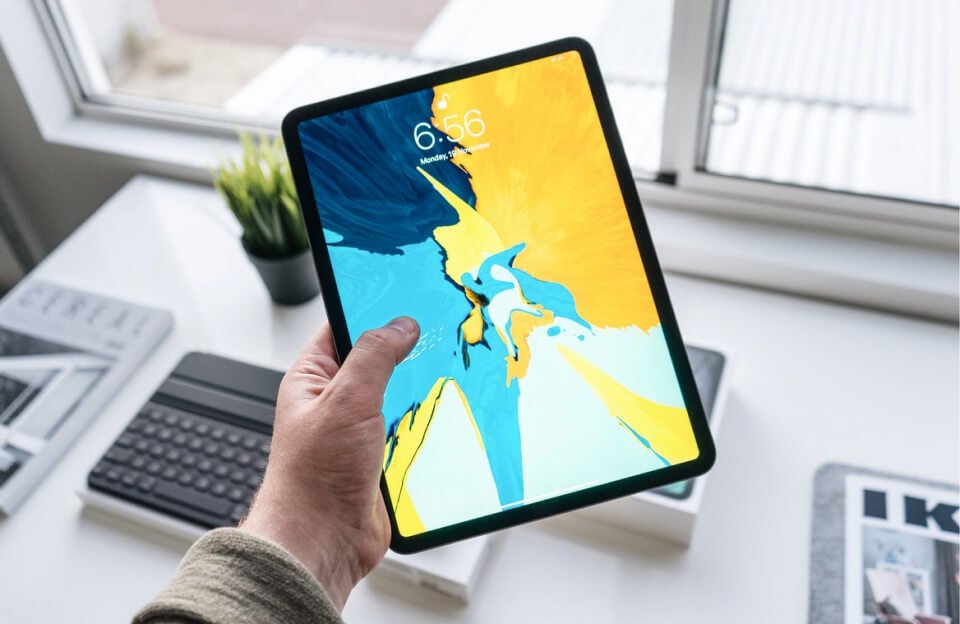
In the realm of creativity, modern gadgets have emerged as pivotal tools that not only enhance artistic expression but also serve as catalysts for innovative thinking. Devices such as tablets have revolutionized the way artists create, providing a portable platform for sketching, painting, and designing. With a plethora of apps available, creatives can experiment with various techniques and styles in ways that traditional mediums do not afford. The immediacy of digital tools encourages spontaneity; an artist can quickly capture an idea without the need for extensive setup, making it easier to explore and refine their visions.
Digital cameras have similarly transformed photography and videography, enabling creators to experiment freely with composition, lighting, and subject matter. The ability to take numerous shots without the constraints of film not only lowers the barriers to entry for aspiring photographers but also allows for a more exploratory approach to visual storytelling. With advanced features such as interchangeable lenses and editing software, photographers are empowered to push the limits of their creativity and develop a unique visual language.
Moreover, music production software has democratized music creation, allowing individuals to compose complex pieces without the necessity of expensive equipment or extensive music theory knowledge. Programs like Ableton Live and FL Studio offer users an accessible entry point into the world of sound design, where experimentation becomes key. Musicians can layer sounds, manipulate audio tracks, and collaborate over the internet, all of which significantly foster creative synergy.
The portability and accessibility of these gadgets have thus played a crucial role in promoting creative spontaneity. Whether it’s a quick sketch on a tablet during a commute, capturing an inspiring scene with a digital camera, or composing music on-the-go, modern technology empowers individuals to seize fleeting moments of inspiration wherever they may be. By harnessing these gadgets, creators are continually inspired to explore new avenues of artistic expression and innovation.
The Impact of Social Media and Collaboration Platforms
In recent years, the evolution of social media and collaboration platforms has significantly reshaped the creative landscape. Gadgets play a pivotal role in this transformation by facilitating enhanced interaction among creators. Platforms such as Instagram and TikTok enable users to express their creativity through visual storytelling and short-form videos, allowing individuals to showcase their unique talents while reaching a global audience. This real-time sharing of creative content not only inspires others but also fosters a vibrant community of creators.
Additionally, tools like Google Docs elevate the collaborative creative process. These platforms support real-time editing, allowing multiple users to contribute to a single document simultaneously. This immediacy encourages the rapid exchange of ideas and prompt feedback, ultimately enhancing the quality of creative projects. Such collaborative environments empower individuals to merge their distinct perspectives and skills, leading to innovative outcomes that might not be achievable independently.
The global reach provided by gadgets further amplifies creative voices. When creators can easily connect with others worldwide, their ideas gain exposure to diverse audiences, leading to richer and more varied creative expressions. This interconnectedness promotes cultural exchange and enables individuals to draw inspiration from various backgrounds, thereby igniting their creativity. Ultimately, social media and collaboration platforms have transformed how creators interact, enabling a more inclusive and dynamic creative community. This shift underscores the remarkable potential of gadgets to facilitate not just individual creativity but also collective innovation, leading to a new era of collaborative artistry and creative synergy.
The Future of Gadgets and Creativity
The intersection of gadgets and human creativity continues to evolve, particularly with the emergence of advanced technologies such as augmented reality (AR), virtual reality (VR), and artificial intelligence (AI). These innovations are not merely tools; they represent a transformative shift in how we conceptualize, create, and engage with artistic expression. As we look ahead, the potential of these technologies in enhancing creativity is immense.
Augmented reality and virtual reality have the capability to immerse users in environments that can amplify their creative processes. For instance, artists can create interactive installations that redefine the viewer’s experience, fostering deeper emotional and intellectual connections with their work. VR can transport users into a digital landscape where they can design and visualize their concepts in three dimensions, thus allowing for a more hands-on approach to creativity.
Similarly, artificial intelligence can serve as a collaborative partner, generating ideas or providing suggestions based on extensive data analysis and creative algorithms. This relationship can lead to unexpected and thrilling creative outcomes, pushing the boundaries of what is considered art and innovation. However, this reliance on technology brings forward critical ethical implications. Questions regarding authorship, originality, and the value of human touch in creativity become increasingly pressing as we integrate these advanced tools into our creative processes.
Furthermore, while gadgets such as AR, VR, and AI have the potential to enhance the creative experience, there is a risk of over-reliance on technology, which may stifle innate creativity and the human experience. It is essential to strike a balance between harnessing these powerful tools and nurturing our intrinsic creative instincts. As we advance into this new era, the dialogue surrounding the implications of technology on artistic expression will be fundamental in shaping the future of creativity.