
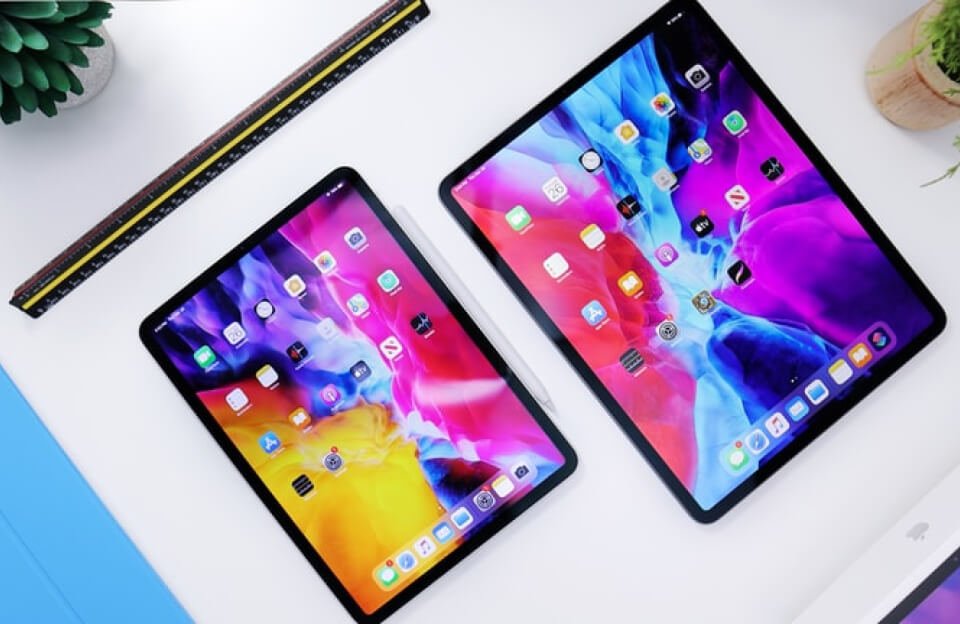
Introduction to the iPad Pro and the M1 Chip
The iPad Pro has emerged as a cornerstone in Apple’s lineup of products, signifying a blend of innovative technology and user-oriented design. Introduced as part of Apple’s efforts to bridge the gap between traditional computing and portable devices, the iPad Pro highlights a commitment to power and versatility. At the forefront of this evolution is the incorporation of the M1 chip, a groundbreaking development that has drastically enhanced the performance and capability of the iPad Pro.
The M1 chip, which also powers Apple’s latest MacBook Pro models, marks a significant shift in computing paradigms. Built on the advanced ARM architecture, this chip redefines what users can expect from a tablet, providing desktop-class performance in an ultra-portable form factor. The transition to the M1 chip allows the iPad Pro to deliver unparalleled speed and efficiency, which is particularly beneficial for professionals and creatives who rely on intensive applications.
With the M1 chip, the iPad Pro is not merely an upgraded tablet but rather a transformative device that rivals many laptops in terms of performance. The chip’s eight-core CPU and GPU ensure that tasks such as video editing, graphic design, and multitasking can be performed with ease, often outperforming older Intel-based MacBook models. This remarkable performance encapsulates Apple’s vision of providing users with the tools they need to unleash their creativity, elevating the iPad Pro to a position of significance in Apple’s ecosystem.
Performance and Capabilities of the M1 Chip
The M1 chip, designed by Apple, marks a significant leap forward in performance and efficiency for the iPad Pro lineup. With an 8-core CPU and an 8-core GPU, this chip delivers upto 3.5 times faster processing speeds than the previous generation iPad models, allowing for seamless multitasking and demanding applications. Users can expect to experience faster app launches, rapid file transfers, and enhanced gaming performance, making the iPad Pro M1 a contender against traditional laptops.
Compared to the MacBook Pro, the M1 chip’s specifications showcase remarkable efficiency without sacrificing speed. While the MacBook Pro serves multiple professional applications, the iPad Pro takes a unique approach by integrating desktop-level performance into a portable device. Benchmark tests reveal that the M1 chip can run complex software, including video editing and 3D rendering applications, with ease. This makes it an ideal tool for creative professionals and casual users alike.
Furthermore, the graphics capabilities of the M1 chip equip it with robust performance for graphics-intensive applications. The compelling combination of hardware and software optimization ensures that users can edit high-resolution videos or render graphics in real-time effortlessly. With up to 16GB of unified memory, the device can manage extensive tasks and large files more effectively than its predecessors.
Energy efficiency is another cornerstone of the M1 architecture, which results in longer battery life. Users can engage in intensive workloads without the constant need for recharging. Additionally, the thermal management system enhances performance, allowing the device to run cooler during high-load situations. Overall, the M1 chip in iPad Pro has redefined the boundaries of what users can achieve in a mobile device.
How the iPad Pro Competes with MacBook Pro
The iPad Pro, especially with its integration of the M1 chip, has evolved significantly to become a strong competitor to the MacBook Pro. One of the primary features that positions the iPad Pro as a viable alternative for professionals is its impressive software compatibility. Both devices run macOS and iPadOS, providing access to powerful applications crucial for various professional tasks, from video editing to graphic design. The iPad Pro allows users to experience applications such as Final Cut Pro and Logic Pro, further bridging the gap between tablets and traditional laptops.
Another appealing aspect of the iPad Pro is its multitasking capabilities facilitated by features like Split View and Slide Over. These allow users to run multiple applications simultaneously, enhancing productivity—something that resonates well with the typical workflow of creative professionals. Professionals can easily switch between their design software and presentation tools, exemplifying flexibility that is essential in today’s fast-paced work environments.
Moreover, the user experience on the iPad Pro in creative tasks is complemented by the Apple Pencil and Smart Keyboard, which convert the tablet into a versatile workhorse. Artists, for instance, can sketch directly on the screen with precision, while writers can engage in a more traditional typing experience. This flexibility in input methods, combined with the touchscreen interface, offers a unique user experience that some users may prefer over the conventional laptop setup.
However, while the iPad Pro excels in portability with its lightweight design and slim profile, it does have limitations compared to the MacBook Pro, particularly in software functionality that is better supported on laptops. Thus, individuals who require advanced processing power and robust desktop applications may still lean toward the MacBook Pro. In assessing these factors, the iPad Pro emerges as a strong contender, offering notable advantages such as portability and versatility, alongside potential drawbacks that might influence user preference depending on specific professional needs.
Conclusion: The Future of iPad Pro and Professional Computing
The introduction of the M1 chip in the iPad Pro marks a significant milestone in the evolution of mobile computing. By integrating the same powerful architecture found in MacBook Pro models, Apple has effectively bridged the gap between tablet and laptop technology. The enhanced performance and efficiency brought by this advanced chip not only accelerate tasks traditionally reserved for full-fledged computers but also create new opportunities for creative professionals and everyday users alike.
As we look toward the future, the evolution of the iPad Pro could lead to even more innovative features designed to enhance productivity and creativity. With the M1 chip’s capabilities, one might anticipate advancements such as improved multitasking functionalities, expanded external display support, and potentially, an evolution of iPadOS that leans further into professional-grade applications. These enhancements would solidify the iPad Pro’s position as a formidable alternative to the MacBook Pro, appealing to professionals seeking portability without compromising on power.
Furthermore, the integration of the iPad Pro into Apple’s broader product ecosystem presents an interesting perspective on user experience. The versatility of the iPad Pro positions it as an ideal device for creatives, educators, and business professionals who require mobility combined with performance. Unlike the MacBook Pro, which excels in traditional computing tasks, the iPad Pro offers the flexibility of touch input, Apple Pencil compatibility, and various apps tailored for on-the-go usage. This adaptability makes it particularly appealing for unique workflows and scenarios that benefit from a tablet interface.
In conclusion, the M1 chip has transformed the iPad Pro into a powerful contender in the realm of professional computing. With calculated advancements on the horizon, the iPad Pro is positioned to cater to a wide array of users while enhancing its stature within Apple’s product lineup.