
Understanding the Value of a Dollar in Tech Purchases
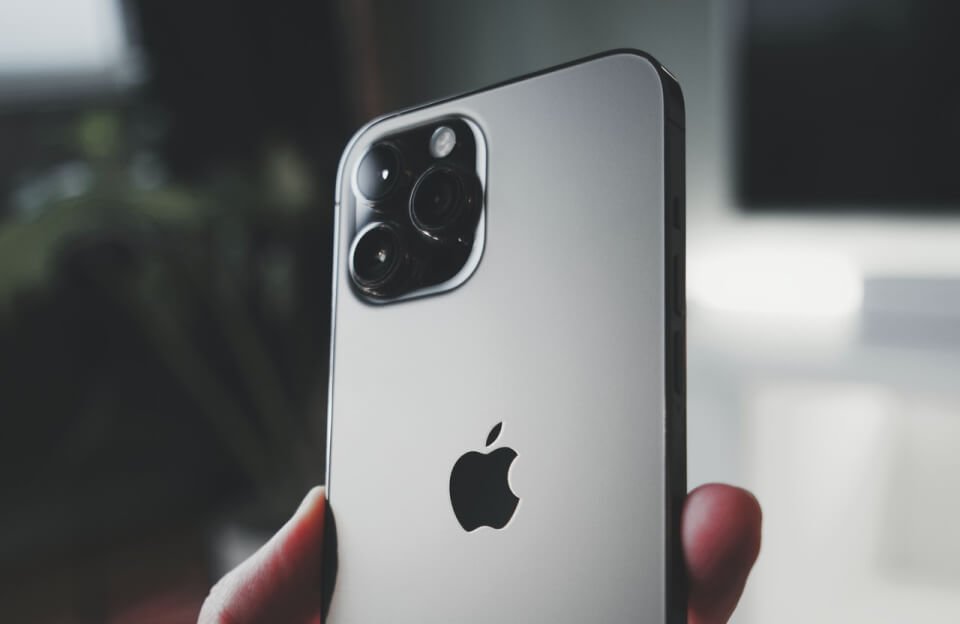
In today’s fast-paced technological landscape, the value of a dollar holds significant implications for consumers, especially when contemplating substantial purchases like the latest iPhone 13. This pivotal device represents not just a gadget, but also a symbol of advancement and connectivity in personal and professional spheres. As such, making informed and strategic financial decisions regarding tech purchases is essential to achieving optimal value.
Several factors influence the pricing of technology, including market demand, manufacturing costs, and brand positioning. With the continuous evolution of mobile devices, manufacturers periodically adjust prices to reflect new features and advancements. For consumers, understanding these dynamics is critical to determining whether a purchase is worthwhile. Therefore, thorough research on product specifications and market trends plays a vital role in making sound purchasing decisions.
Budgeting is another critical aspect that contributes to the effective allocation of financial resources. By establishing a budget tailored to one’s needs and capabilities, individuals can prioritize tech purchases without compromising their overall financial health. It is crucial to recognize that even minor savings, such as discounts or trade-in offers, can accumulate over time, enabling consumers to allocate funds toward higher-quality devices or additional accessories. Additionally, evaluating long-term costs such as monthly payments and subscription services can further enhance the efficiency of spending.
Ultimately, recognizing the significance of each dollar spent in the tech industry allows consumers to make better-informed choices. By understanding pricing factors and maintaining a disciplined budget, individuals can confidently navigate purchases, ensuring that their financial health is preserved while still enjoying the latest technological innovations, like the iPhone 13.
Tips for Maximizing Savings on the iPhone 13
As consumers anticipate the release of the iPhone 13, it is essential to explore various strategies for maximizing savings while ensuring a satisfying purchase experience. One effective approach is to consider trade-in programs offered by Apple and other retailers. These programs allow users to exchange their old devices for credit towards the new iPhone, significantly reducing the overall cost. By researching the trade-in value of your existing smartphone, you may be surprised at how much you can save.
Another avenue to explore is seasonal sales. Notably, major shopping events such as Black Friday, Cyber Monday, or back-to-school promotions often feature steep discounts on electronic devices, including smartphones. By timing your purchase around these sales, you can capitalize on the competitive pricing strategies retailers employ to attract customers, ensuring that you find the best deals available.
Furthermore, comparing deals among different carriers can lead to substantial savings. Telecom companies regularly run promotions that include discounts, limited-time offers, or even cash back for switching providers. Researching the various plans and package deals can lead to finding a carrier that not only meets your needs but also offers the best savings on the iPhone 13.
Additionally, taking advantage of customer loyalty programs can enhance savings opportunities. Many retailers offer rewards or discounts to returning customers, potentially offsetting future purchases. Sign-up bonuses, referral credits, and exclusive promotions can add up, allowing you to save even more on your iPhone 13.
In summary, by utilizing trade-in programs, engaging in seasonal shopping moments, comparing carrier offers, and leveraging customer loyalty initiatives, consumers can realistically maximize their savings on the upcoming iPhone 13, ensuring a more financially sound purchasing decision.
Alternative Ways to Pay and Save More
Purchasing the new iPhone 13 can represent a significant investment, but there are various alternative payment methods and financing options available that can help lower the overall costs. Buyers may consider financing plans offered by Apple or their respective carriers. These plans often allow customers to spread the cost of the device over several months, making it easier for individuals to manage their budgets while still accessing the latest technology.
Moreover, subscription services such as Apple’s iPhone Upgrade Program provide another avenue for users to enjoy the benefits of a new iPhone. This program allows consumers to pay monthly rather than a lump sum, which not only reduces the financial impact upfront but also enables users to upgrade to the latest model every year, ensuring access to newer features and technology.
Using credit cards with cashback offers can be an additional strategy to maximize savings when purchasing an iPhone 13. Many credit cards offer cashback rewards or points for every dollar spent, which can effectively reduce the device’s cost. It’s important to assess the terms of specific credit card offers, as well as potential interest rates, to determine if the benefits outweigh any associated costs.
Furthermore, employing these payment methods in conjunction can offer enhanced flexibility. For instance, customers might finance their iPhone while using cashback from a credit card to offset purchase expenses. By integrating various strategies, it becomes possible to shed the financial burden associated with new technology while still enjoying the latest offerings from Apple. Innovative payment solutions not only facilitate the ability to buy but can also serve as essential components of a broader savings strategy.
Long-term Savings Beyond the Initial Purchase
Investing in the iPhone 13 not only promises a cutting-edge smartphone experience at the time of purchase but also unlocks significant long-term savings that can enhance the value of this purchase. One of the most critical aspects of this value is the iPhone’s remarkable resale value. Apple’s devices tend to retain their worth much better than competitors, which means when it comes time to upgrade, users can expect a substantial return on their initial investment. Reselling an iPhone 13 after a couple of years—while still in good condition—can offset costs and provide funds toward the next model, therefore, making it a financially wise choice.
In addition to resale value, owning an iPhone 13 guarantees consistent software updates for several years. Apple’s commitment to providing regular updates means users can enjoy the latest features, enhanced security, and improved performance without needing to invest in a new device frequently. Extended software support not only prolongs the lifespan of the iPhone 13 but also helps mitigate potential issues that older devices may encounter, ensuring a smoother user experience. This ongoing support translates into lower costs over time as users avoid potential repair fees associated with older models that may not receive updates.
Furthermore, the compatibility of the iPhone 13 with upcoming technologies ensures that it remains relevant. As new apps and functionalities emerge, the iPhone 13 is likely to support them, providing users with cutting-edge capability for years to come. When integrated smartly with other Apple services, such as iCloud, and hardware like the Apple Watch, the efficiency and convenience provided can save considerable time and eliminate the need for multiple purchases. Therefore, while the initial cost may seem significant, the long-term savings through resale value, software updates, and compatibility with evolving technology solidify the iPhone 13 as a smart investment.